
Laparoscopic Gallbladder Surgery Treatment In Pune
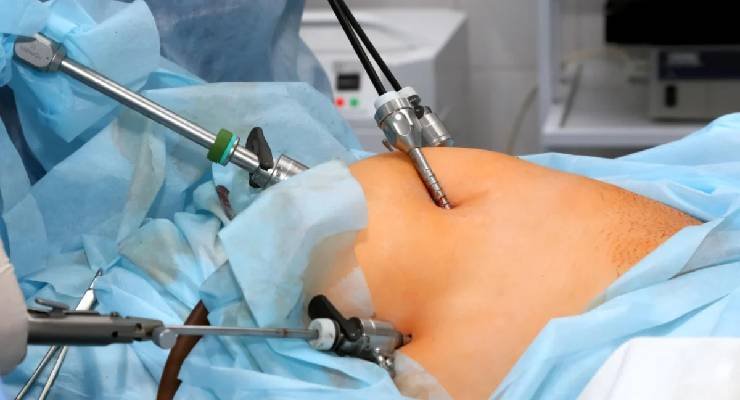
Laparoscopic Gallbladder Surgery: A Minimally Invasive Treatment
Laparoscopic gallbladder surgery is a minimally invasive procedure used to remove the gallbladder when it becomes diseased or develops gallstones. The gallbladder is a small organ located beneath the liver that stores bile, which helps digest fats.
Using a laparoscope and specialized surgical instruments, the surgeon removes the gallbladder through small incisions in the abdomen. This approach allows faster recovery and less discomfort compared to traditional open surgery.
When Is Laparoscopic Gallbladder Surgery Recommended?
This procedure may be recommended for several gallbladder conditions.
- Gallstones
- Gallbladder inflammation
- Gallbladder infection
- Gallbladder polyps
- Pancreatitis caused by gallstones
- Bile duct blockage
Common symptoms include abdominal pain, nausea, vomiting, bloating, and digestive discomfort after meals.
Goals of Laparoscopic Gallbladder Surgery
- Remove the diseased gallbladder
- Relieve pain and digestive problems
- Prevent complications from gallstones
- Improve digestive health
- Allow patients to return to daily activities safely
How the Procedure Works
Small incisions are made in the abdomen, and a laparoscope with a camera is inserted to view the internal organs. Surgical instruments are used to remove the gallbladder safely.
Benefits of Laparoscopic Gallbladder Surgery
- Smaller incisions
- Less post-operative pain
- Faster recovery
- Minimal scarring
- Shorter hospital stay
- Reduced risk of complications
Preparation Before Surgery
- Physical examination
- Blood tests
- Imaging tests such as ultrasound or CT scan
- Medical history review
- Fasting instructions before surgery
Recovery After Surgery
- Pain management
- Gradual return to normal activities
- Light diet initially
- Avoid heavy lifting
- Follow-up visits with the surgeon
Final Note
Laparoscopic gallbladder surgery is a safe and effective treatment for gallbladder disease. With modern minimally invasive techniques, most patients recover quickly and return to their normal routine within a short period.
Our Services
Menu
About Dr. Anupama Anand
Dr. Anupama Anand is a General Surgeon in Bhosari, Pune and has an experience of 11 years in this field. Dr. Anupama Anand practices at Medicover Hospital in Bhosari, Pune. She completed MS – General Surgery from Meenakshi University in 2023 and MBBS from Dr D Y Patil Vidyapeeth, Pune in 2015.